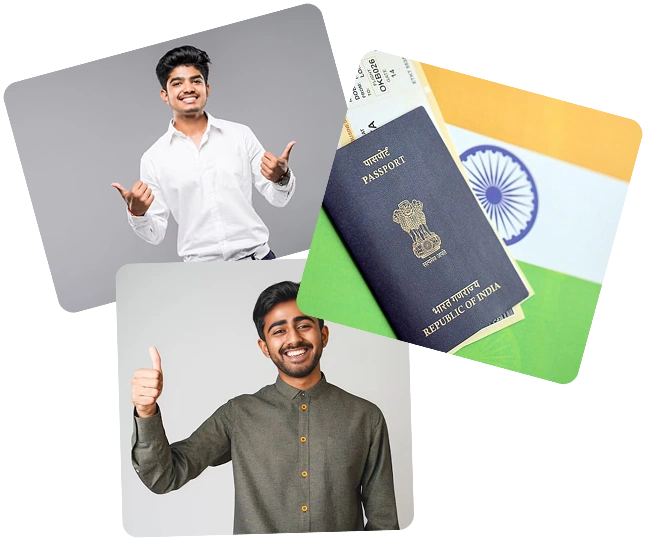
For many people of Indian origin living overseas, obtaining an OCI card is an important step after acquiring foreign citizenship. Whether you are applying for yourself, your child, or updating an existing OCI record, understanding the requirements early can help avoid unnecessary delays and document-related issues.
OCI applications often involve citizenship records, passport details, surrender certificates, and supporting family documents. At Sidhu Immigration & Education Consultants, we assist individuals and families with OCI card applications, renewals, document preparation, and application support to help make the process smoother and less stressful.

The Overseas Citizen of India (OCI) card is a long-term travel and residency facility available to eligible foreign citizens of Indian origin. While it is often referred to as dual citizenship, OCI is not full Indian citizenship. Instead, it provides lifelong visa privileges that allow eligible cardholders to travel to India multiple times without applying for separate visas.
Many OCI applications are delayed not because of eligibility issues, but because supporting documents are incomplete or inconsistent. Preparing documents carefully before submission can help avoid unnecessary complications later.
Applicants commonly may need:
Depending on the application type, additional documents may include:
Document requirements may vary depending on the applicant's individual circumstances.
For many former Indian citizens, obtaining foreign citizenship is an exciting milestone. However, it also brings a new set of questions — particularly when it comes to maintaining travel flexibility and connections with India.
Many people are unsure about what happens after receiving Australian, Canadian, or British citizenship. Do they need to surrender their Indian passport? Are they eligible for an OCI card? What documents are required? Can they continue travelling to India without applying for visas each time?
While the OCI process is designed to help eligible individuals stay connected with India, the application itself can involve several important requirements, including citizenship records, surrender certificates, passport details, and supporting family documents.
Understanding these requirements early can help applicants avoid unnecessary delays and approach the OCI application process with greater confidence.
Many applicants assume that obtaining an OCI card is simply a matter of completing an online application. However, once document preparation begins, questions about eligibility, supporting records, passport requirements, and application procedures often arise.
While every application is different, understanding the process early can help reduce confusion and avoid unnecessary delays.
Before starting the application, it is important to understand whether you meet OCI eligibility requirements.
Accurate documentation plays an important role in the OCI application process.
Application details should be completed carefully and supported by accurate records.
Once submitted, the application undergoes review and verification before a decision is made.
Many people are unsure whether they qualify for an OCI card, especially if they have acquired foreign citizenship, were born outside India, or are applying through a parent or spouse.
Because eligibility can vary depending on family history, citizenship records, and individual circumstances, reviewing your situation before applying can help avoid unnecessary delays and document-related complications.
Receiving an OCI card is not always the final step. In certain situations, applicants may need to update their OCI records or apply for an OCI renewal to keep their information accurate and up to date.
In these situations, applicants may need to provide updated supporting documents and submit an OCI update or re-issuance request, depending on their circumstances. Reviewing the requirements before travelling can help avoid unnecessary delays or travel-related complications.
Many OCI applications experience delays because supporting documents are incomplete, inconsistent, or require additional verification. In many cases, the issue is not eligibility itself but the information provided during the application process.
Missing citizenship documents can result in additional verification requests during processing.
Differences between passport records and supporting documents may require further review.
Inconsistent names across passports, birth certificates, or citizenship records can create complications.
Applications involving children or family-based eligibility may require additional supporting documents.
Submitting the wrong update or renewal request can delay processing and require further clarification.
With Sidhu Immigration, you get more than a service — you get a structured, stress-free pathway to working in Australia through an employer sponsor.
Book Appiontment Now